Oops! Don’t Forget the Story: Charade vs. The Truth About Charlie
Peter Stone’s Charade (1963) is a lean, high-stakes puzzle where every scene feeds the next. Jonathan Demme’s 2002 remake, The Truth About Charlie, is the exact opposite: a movie that forgets the basic craft of storytelling.
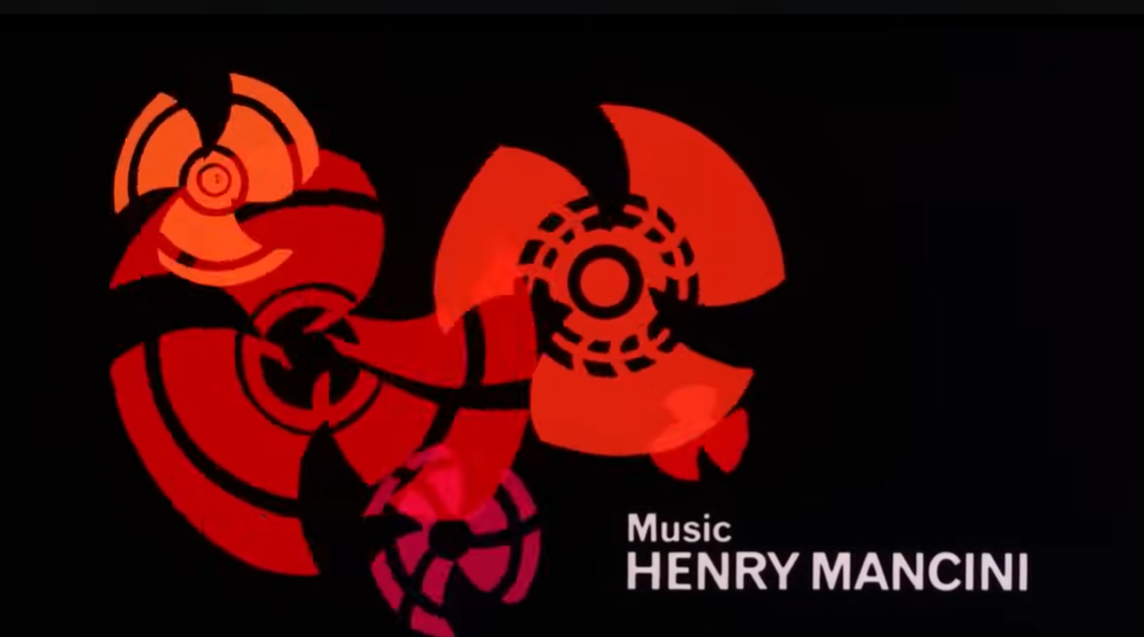
It starts with the music. Henry Mancini’s Oscar-nominated tight rhythms and driving beat create the musical tension right at the start. The music is aware of the story, and does its job in setting the mood.
The Opening Scenes
In Charade, the plot explodes out of the gate. A corpse is thrown from a speeding train before the credits roll. We see immediate stakes, an instant mystery, and a massive question mark. The Truth About Charlie completely mismanages the opening. The entire opening scene is a waste because no information in it is needed for the story. It wastes time, delays the opening of the film, and acts as a cognitive speed bump.
The Thrown Away Meeting & Broken Apartment Logic
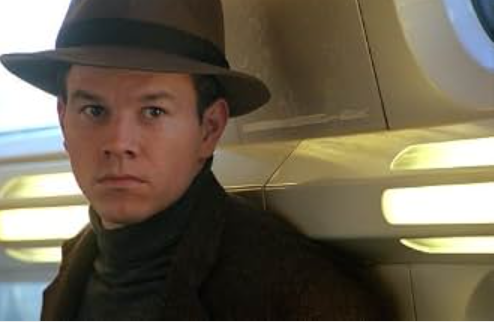
In the 1963 original, Reggie and Peter (Cary Grant) meet at a ski resort through sharp, purposeful banter that builds organic chemistry and drops them cleanly into the same orbit before the chaos begins in Paris. A connection is created that justifies him showing up at her apartment later. In the remake, Regina (Thandie Newton) and Joshua (Mark Wahlberg) have a similar introduction scene. But that introduction is thrown away when she doesn’t recognize him at the airport. That earlier scene meant nothing—it was completely wasted story time.
This weakness turns fatal when Regina returns to Paris to find her apartment stripped bare and her husband dead. Suddenly, Joshua just materializes at the flat. Both movies use the same excuse for getting Joshua/Peter to her apartment: he heard or read about it in the news. But the connection in Charade makes that reasonable. Her dismissal of him in Truth makes him look like a stalker.
More Wasted Time
The Truth About Charlie wastes time with empty walks down corridors and crowd confusion. A subplot of false tension with the cops suspecting her of murder is a total waste. The real story is lost.
Introducing the Villains
In Charade, we see their danger and obsession through immediate physical activity. One sticks a pin into the corpse, another holds a hand mirror under his nose, and the third snaps open a pocket knife. It is darkly comedic, yet deeply compelling. In The Truth About Charlie, we just get flat faces looking at us. Charade sets the tone and the tension with little dialogue. Demme throws that scene away.
The Takeaway
Charade moves forward with relentless velocity. It operates with total creative cohesion, from the music, to the casting, to the direction. Demme’s film is a mélange of competing elements. Handheld camera tricks, homages to the French New Wave, badly cast stars, and poor scene management all get in the way of the story.
Bottom line: The Truth About Charlie fails because it doesn’t connect the audience with the protagonists. That is, we don’t care.