Operational Danger: The Guns of Navarone vs. The Ministry of Ungentlemanly Warfare
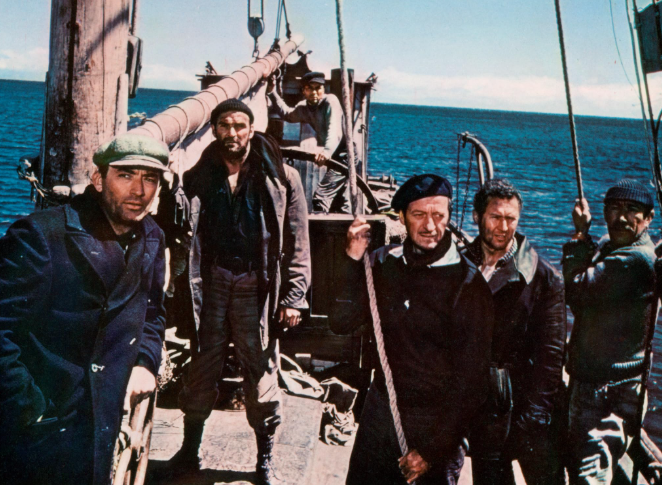
Guns of Navarone and The Ministry of Ungentlemanly Warfare have almost identical stories. The Ministry should have had an advantage because it was about a real historical military operation. Guns of Navarone was fiction.
However, it is Navarone that feels more real. The stakes are real, and the drama is felt. Ministry presents its mission as a lark, not to be taken seriously. It could have been so much better. Where did it go wrong?
The key in danger mission films is to set the stakes early on. To have the audience know the danger being faced, and the possibility of death, if things go wrong. Guns of Navarone has two important early scenes.
The first is early when the team is on the British base talking about the mission, and a local worker is caught listening at the door. Gregory Peck wants to shoot him. The base commander stops him. Peck says to shoot the commander if he gets in the way. The spy survives when the commander agrees to keep him locked up. This shows the seriousness of the mission. No one is playing around.
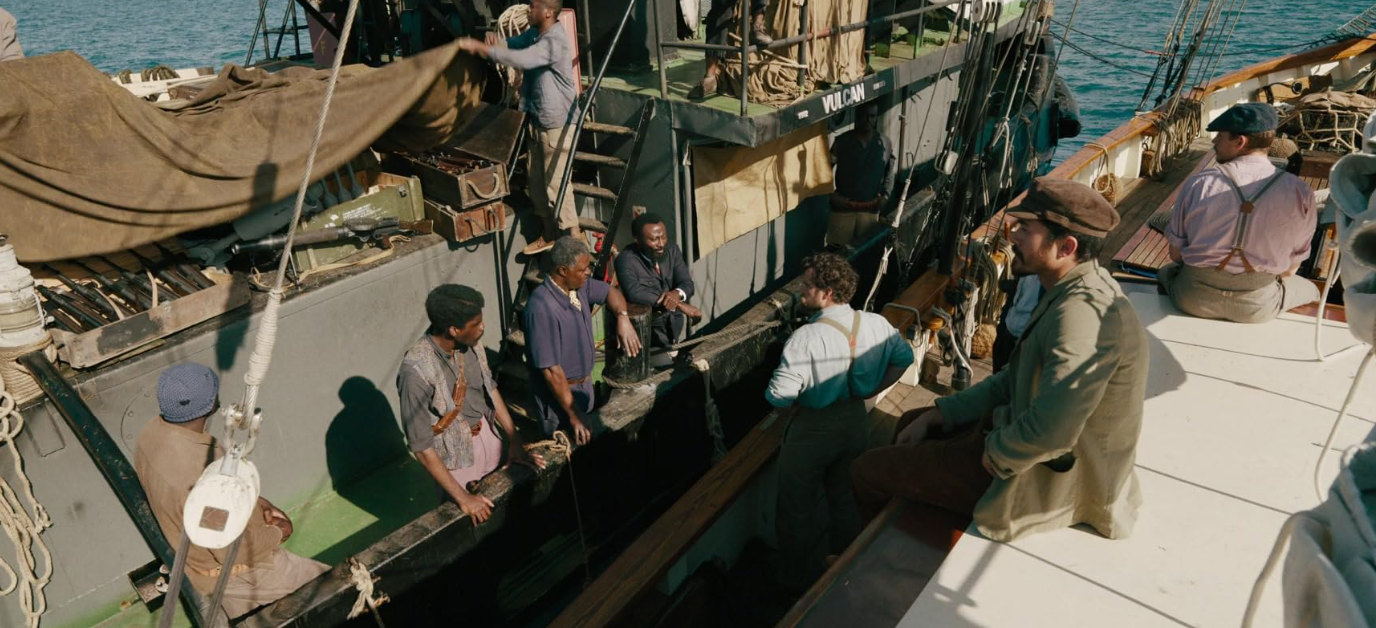
The second is The Boat Boarding: This scene is a masterclass in tension because of the pacing. The dialogue isn't witty; it’s strained. The characters are sweating, calculating, and staring at the German uniforms knowing that a single slip of the tongue means immediate death. When the violence finally erupts, it isn't celebratory—it’s a desperate, frantic release of terrifying pressure.
Contrast that to Ministry of Ungentlemanly Warfare, where Alan Ritchson and Henry Cavill descend into silly giggling inane humor. It violates the audience contract. Danger and high stakes are dismissed. When a movie does not take itself seriously, then the audience will not either. That is fine for a farce or comedy, but is unacceptable in a drama.
When a film is about high-stakes danger, suspense is entirely dependent on the illusion of mortality. If the characters aren't afraid of dying, the audience can't be afraid for them. This results in the audience not caring for the main characters, or the movie.
Scenes are not isolated. The boat scene in Ministry destroys any feeling of danger and it is never regained. In fact, when that is lost, it can never be regained in a movie, at least not to the level it could have had. The ending climax in Ministry lands flat, despite the explosions, special effects, and fighting prowess shown by the stars.
The Ministry of Ungentlemanly Warfare had the same elements for success as Guns of Navarone had. Those elements were squandered in the boat inspection scene. Resulting in a flat film that failed to connect with its audience.
When a screen writer gets on with the story, he must know what that story is and stay true to it.